Lo-fi is not one effect. The dusty, warm sound of a lo-fi hip-hop beat comes from several small imperfections stacked together: crackle and hiss under the music, a slow wobble in pitch, soft saturation that rounds off the highs, reduced bit depth, and a band-limited tone that feels like it comes from an old device. Choosing a lo-fi plugin is mostly about deciding which of those imperfections you want, how many of them, and how much control you need over each one.
This guide breaks lo-fi processing into its building blocks, explains what each type of tool does, and shows where the TuneDrip lo-fi plugins fit. It sticks to what the tools actually do, so you can pick for your own beats.
What makes a sound lo-fi?
Most lo-fi textures imitate the way older media and devices changed sound. Each medium left its own fingerprint, and lo-fi producers borrow from all of them.
-
Noise. Vinyl crackle, tape hiss or ambient sounds such as rain sit underneath the music and glue the elements together.
-
Wow and flutter. Tape machines and turntables never ran at a perfectly steady speed. The slow pitch drift (wow) and the faster wobble (flutter) are what make chords feel warm and slightly seasick.
-
Saturation. Tape, tubes and cheap circuits add harmonics and soften transients. A little makes drums and keys feel thicker; a lot becomes audible distortion.
-
Digital reduction. Early samplers worked at low bit depths and sample rates. Bitcrushing and sample rate reduction bring back that grainy, aliased top end.
-
Band-limiting. Phones, radios and small speakers cut the lows and highs. Filtering a sound down to a narrow band instantly makes it sound distant or "on the radio".
-
Space and echo. Tape echo, chorus and lush reverbs are part of the dreamy side of lo-fi.
When you compare lo-fi plugins, the useful questions are simple. Which of these imperfections does the plugin cover? Can you dose each one separately? Does it keep the dry signal aligned when you blend it back in? And can it be pushed hard for effects as well as used subtly on a full mix?
The main types of lo-fi plugins
1. All-in-one lo-fi multi-effects
A lo-fi multi-effect puts several of these imperfections in one window. The advantage is speed: you can build a complete dusty texture on a loop without stacking five plugins, and you can hear how the stages interact.
Nebula is TuneDrip's lo-fi multi-effect. It is built in six columns: Noise, Wobble, Distort, Digital, Space and Magnetic. Each column has its own power switch, a big mix knob, a mode menu and four controls, so you can run one flavor or stack all six.
-
Noise brings vinyl crackle, tape hiss or rain, with ducking so the noise steps back when the music plays.
-
Wobble gives tape, 33 rpm vinyl or a broken motor.
-
Distort covers tape, tube and fuzz.
-
Digital goes from 8-bit and 12-bit to a lo-fi sampler and a telephone.
-
Space holds a grand hall, a shimmer hall, a plate and a cathedral.
-
Magnetic is tape echo, granular echo, chorus and flanger, with a TIME control that can sync to your tempo.
The order of the modules is fixed for a reason: Wobble, Distort, Digital, Magnetic, Space, then Noise on top, so the crackle never gets smeared by the reverb. Six preset families (Retro Color, Vinyl & Tape, Digital & Phone, Dreamy, Drums & Loops, Subtle) cover the classic moves, and every control stays live after you load a preset.
2. Tape and cassette emulation
If you only need one lo-fi ingredient, it is usually tape. A tape saturation plugin adds warmth, a gentle rounding of the highs, hiss and pitch wobble in one move, and it works on almost anything: keys, samples, drums, vocals or the whole mix bus.
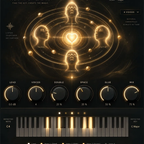
Tape recreates the wobble, hiss and warmth of old cassettes. You choose one of eight cassettes, then dial in WEAR (how worn the tape is), DRIFT (wow and flutter), HEAT (tape saturation) and GLOW (soft highlights). Its BLEND control is latency-aligned with the dry signal, so you can push the tape hard and mix it back in without phase problems.
3. VHS and chorus-style warble
A different kind of nostalgia comes from video tape and worn chorus units: a deeper, slower pitch warble that makes melodies and pads feel like an old television broadcast. This is the sound behind many dreamy intros and vaporwave-style textures.
Static is a VHS effect plugin built around an XY pad. Dragging horizontally sets the depth of the tape chorus, and dragging vertically sets its speed, from slow dream drift to unstable flutter. CRUSH adds bit reduction and video noise for a full lo-fi broadcast feel, and MIX lets you back the effect off. On vocals, a low AMOUNT and a little CRUSH give a phone-radio texture.
4. Telephone, radio and bitcrush effects
Some lo-fi moves are about making a sound small rather than warm: a vocal coming through a phone, a sample that sounds like it is playing from a cheap radio, a robotic speak-and-spell voice. These effects are common in intros, call-in verses and breakdowns.
Dial is a telephone effect plugin that emulates the ways a phone degrades sound. It has five degradations you can blend or use one at a time: SIGNAL for dropouts and crackle, SPEAKER for a 300 to 3400 Hz phone speaker, ROBOT for a speak-and-spell voice, CRUSH for reduced bits and sample rate, and DRIVE for distortion. Presets are grouped as Phone, Radio, Robot, Crushed, Vocal FX and Extreme.
5. Granular textures
Granular processing is not lo-fi in the vintage sense, but it is a favourite tool for the ambient, washed-out side of the genre. A granular plugin slices the sound into tiny grains and plays them back shifted, detuned and scattered, turning a chord or a vocal into a cloud.
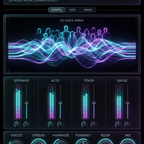
Cloudburst is a granular plugin that works from five knobs: NUMBER (1 to 32 simultaneous grains), SPEED (grain playback from -2 to +2 octaves), DETUNE (random detune per grain, up to an octave), SPACE (random panning and reverb on the cloud) and MIX. Its menu adds Freeze, which holds a chord for as long as you like, plus grain size, scatter, reversed grains, feedback and density. Put it on a send at 100 % wet behind a lo-fi piano and you get an evolving pad from the same chords.
Building a lo-fi chain step by step
Here is a simple order that works on a sampled loop or a keys part. Treat it as a starting point and remove any stage you do not need.
-
1. Tone and saturation first. Start with tape (Tape, or the Distort column of Nebula) to round off the transients and add harmonics. Keep it subtle at first.
-
2. Add movement. Bring in wow and flutter with Tape's DRIFT or Nebula's Wobble column. On pads and melodies, Static's slower warble is a stronger alternative.
-
3. Reduce the resolution if you want grain. A touch of bitcrushing or a lower sample rate (Nebula's Digital column, or CRUSH in Static and Dial) brings the gritty top end of old samplers.
-
4. Add space. Echo and reverb come next, so the tails sound as worn as the source.
-
5. Put noise last. Crackle and hiss go at the end of the chain, so they stay crisp instead of being blurred by the reverb. This is exactly why Nebula runs its Noise column after Space.
For drums, go lighter: a little tape saturation and some bit reduction usually do more than heavy wobble, which can make the groove feel unstable. For vocals, a band-limited phone or radio sound on one section (Dial, or Static at a low amount) creates contrast with the clean parts of the song.
Common lo-fi mistakes
-
Too much wobble on everything. If the drums, bass and keys all drift in pitch, the track sounds out of tune rather than nostalgic. Keep the strongest wobble on one or two melodic elements.
-
Noise that is louder than the music. Crackle should be felt more than heard. Ducking, as in Nebula's Noise column, keeps it out of the way when the music plays.
-
Losing the low end. Phone and radio filters remove the bass. Use them on a part, not on the whole mix, or automate them for a section.
-
Phase issues when blending. Some effects add latency. If a dry/wet blend sounds thin, use a plugin whose mix is latency-aligned, like Tape's BLEND.
Which lo-fi plugin should you choose?
If you want one tool that covers the whole lo-fi palette, a multi-effect like Nebula is the most complete starting point. If you mainly need warmth and wobble, a dedicated tape plugin like Tape is simpler and quicker. Static is the pick for the slower, deeper VHS warble on melodies, Dial for phone and radio moves, and Cloudburst for ambient, granular textures. Many producers use one from each category.
Nebula, Static and Tape are also grouped in the TuneDrip Lo-Fi Kit, and you can browse every tool of this family in the lo-fi and creative FX plugins collection. TuneDrip plugins run as VST3 on Mac and Windows and as AU on Mac, and each paid plugin can be installed and used in demo mode with all its features, so you can test it on your own beats before you buy.
FAQ
What is a lo-fi plugin?
A lo-fi plugin is an effect that adds the imperfections of older media and devices to a sound: noise, wow and flutter, tape saturation, bit reduction, band-limiting and worn echo. Some cover one of these, others, like Nebula, combine several in one window.
How do I make a beat sound lo-fi?
Add gentle tape saturation, a little wow and flutter on the melodic parts, some bit reduction if you want grain, then echo or reverb, and put crackle or hiss last. Keep the drums lighter than the keys.
Where should vinyl crackle go in the chain?
At the end. Placed after the reverb, the crackle stays crisp and on top of the music. Nebula runs its Noise column last for this reason.
Can I use lo-fi effects on vocals?
Yes. Tape adds warmth, Static at a low amount with a little CRUSH gives a phone-radio texture, and Dial covers phone, radio and robot voices for intros and call-in verses.
Related on TuneDrip